
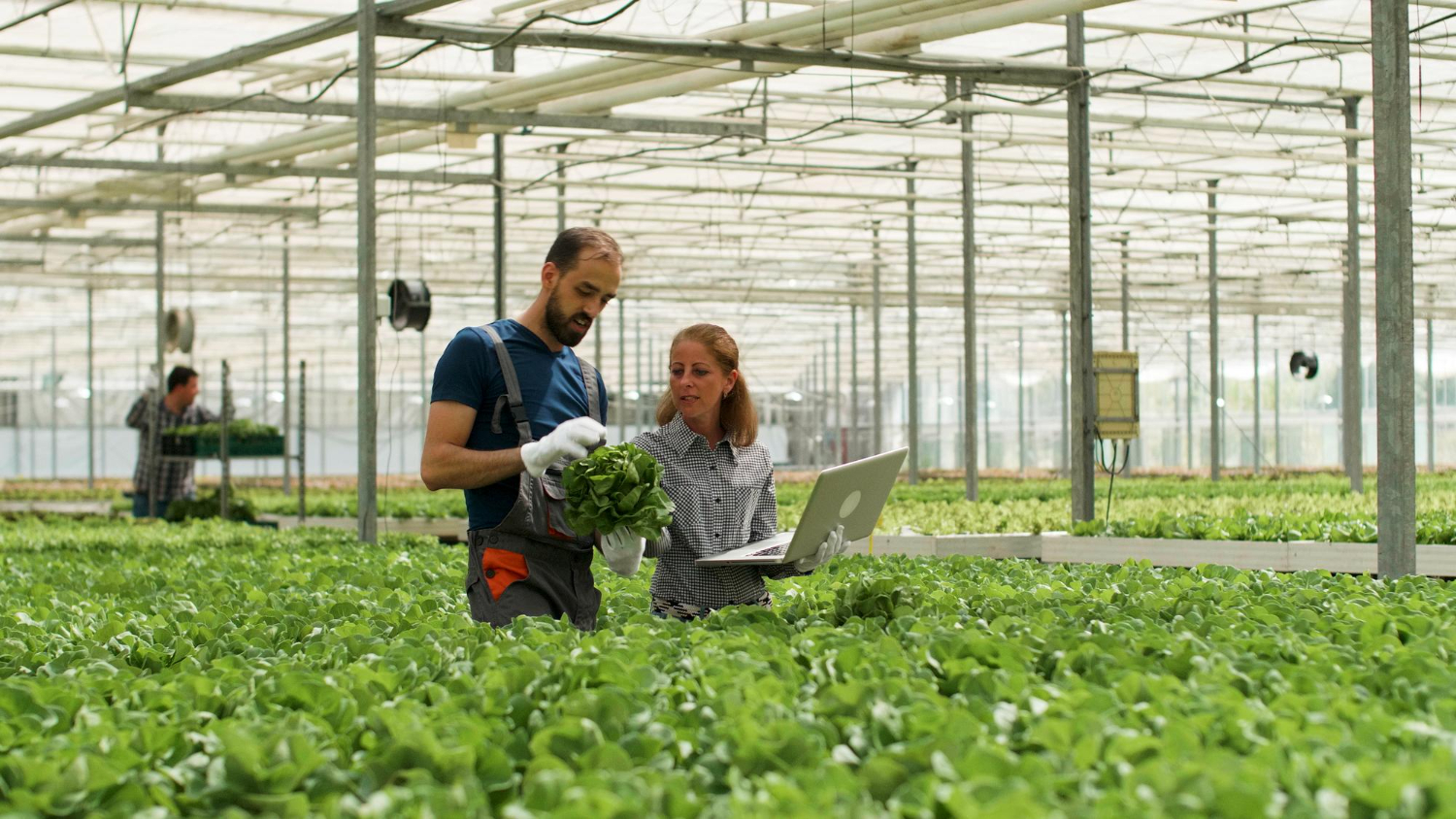
Exploring Eco-Friendly Careers in Agriculture: Going Organic and Making a Difference
In an era where climate change is a pressing concern and sustainability is the buzzword, eco-friendly careers in agriculture have emerged as a promising avenue. If you're passionate about the environment and want to make a tangible impact, this is an excellent opportunity to align your career with your values. In this blog post, we delve into the exciting world of green jobs in agriculture, the skills you need, and the benefits of going organic.
Understanding Green Jobs in Agriculture
Green jobs in agriculture are roles that contribute to preserving or restoring environmental quality while improving human well-being and social equity. They range from organic farmers and permaculture designers to agricultural scientists and sustainability consultants. These jobs are not just about working with the land but also involve research, education, and advocacy.
For example, an organic farmer uses sustainable methods to grow crops without synthetic pesticides or fertilizers, while a permaculture designer creates sustainable and self-sufficient agricultural systems. On the other hand, an agricultural scientist might research ways to improve soil health, and a sustainability consultant could advise farms on how to reduce their environmental impact.
Prerequisite Skills for Eco-Friendly Careers in Agriculture
While specific skills depend on the job, there are some common skills that are generally required in green agricultural careers. These include a solid understanding of biology and ecology, practical farming or gardening skills, and a strong commitment to sustainability.
For instance, an organic farmer needs to know how to maintain soil fertility without synthetic inputs, which requires knowledge of composting, crop rotation, and natural pest management. A permaculture designer, on the other hand, needs to understand how different elements of an ecosystem interact, which requires knowledge of ecology and system design.
The Benefits of Going Organic
Going organic is not just good for the environment, but it also has several personal and societal benefits. Organic farming practices can improve soil health, biodiversity, and water quality, and reduce greenhouse gas emissions. Moreover, organic food is often more nutritious and flavorful than conventionally grown food.
On a personal level, working in an eco-friendly agricultural career can be incredibly rewarding. You get to work outdoors, connect with nature, and contribute to a healthier and more sustainable world. Plus, as the demand for organic food continues to grow, there are increasing job opportunities in this sector.
Making a Difference with an Eco-Friendly Career in Agriculture
By choosing a green career in agriculture, you can make a significant impact. You can help to transform our food system into one that is more sustainable, healthy, and just. You can educate others about the importance of organic farming and advocate for policies that support sustainable agriculture.
Remember, every small step counts. Even if you start with a small organic garden in your backyard or volunteer at a local farm, you are contributing to a larger movement towards sustainability.
Conclusion
Eco-friendly careers in agriculture offer a unique opportunity to combine your passion for the environment with your professional life. If this sounds like the right path for you, we invite you to explore our other resources and services. We offer a wide range of career guidance materials, including more blogs, articles, white papers, and case studies, to help you navigate your career journey.
For more insights and tips straight to your inbox, Sign up for our Newsletter. Let's work together to build a more sustainable future!