
Understanding Career and Job Visas vs Work Permits: A Comprehensive Guide for Global Job Seekers
As the world becomes more connected, the opportunities for international employment have grown exponentially. However, the legalities of working abroad can be complex and confusing, particularly when it comes to understanding the differences between career and job visas versus work permits. This comprehensive guide aims to unravel these complexities, providing clear distinctions and accurate information to empower global job seekers.
Career and Job Visas vs Work Permits: What's the Difference?
At first glance, the terms 'career and job visa' and 'work permit' may seem interchangeable. In reality, they represent different legal documents with unique requirements and implications.
A career or job visa is an authorization granted by a foreign country that allows an individual to live and work there for a specific period. It's often tied to a particular job and employer. For example, the H1-B visa in the United States is a type of job visa that allows foreign workers in specialized fields to live and work in the U.S.
On the other hand, a work permit is usually a document that gives a foreigner the right to work in a country where they do not hold citizenship. It's often granted after the individual has secured a job in that country. For instance, the Canadian work permit is given to foreign workers who have a job offer in Canada.
Navigating the Application Process
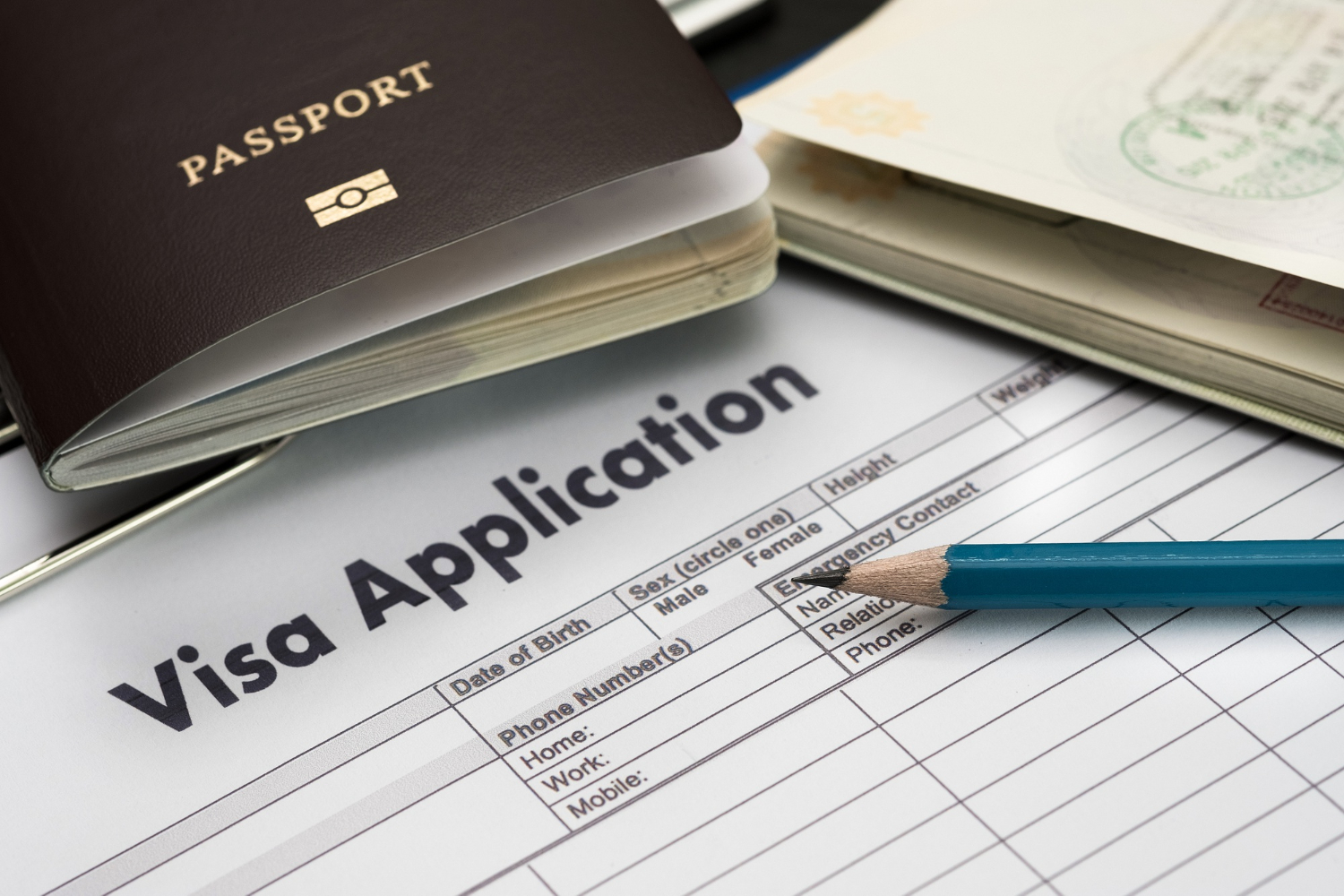
The application processes for career and job visas and work permits vary greatly depending on the country. However, they generally involve a series of steps that include obtaining a job offer, completing an application form, paying a fee, and attending an interview or providing further documentation if required.
For example, to apply for an H1-B visa in the U.S., you first need a job offer from a U.S. employer who is willing to sponsor you. The employer must then file a petition with the United States Citizenship and Immigration Services (USCIS). If the petition is approved, you can apply for the visa.
Understanding Specific Requirements
Understanding the specific requirements for your chosen destination is crucial. These may include proof of a job offer, evidence of qualifications or professional experience, medical examinations, and police checks.
For instance, to obtain a work permit in Canada, you need a job offer from a Canadian employer, proof of the ability to do the job (which may include educational credentials and work experience), and proof that you intend to leave Canada when your work permit expires.
Expert Advice for Global Job Seekers
Navigating the world of international employment can be challenging, but with the right guidance and resources, it's certainly achievable. Here are some expert tips:
- Do your research: Understand the specific requirements for the country you wish to work in and ensure you meet them before applying.
- Seek professional advice: Consider consulting with an immigration lawyer or expert to help guide you through the process.
- Be patient: The process can be lengthy, so patience and persistence are key.
Conclusion
Understanding the differences between career and job visas and work permits, and knowing how to navigate the application processes, are crucial steps towards securing international employment. We hope this guide has provided valuable insights and clarity.
Don't forget to check out our other services for more expert advice and resources. And for regular updates and insights delivered straight to your inbox,_ Sign Up for our Newsletter today_.
Remember, the world is your oyster! With the right knowledge and resources, you can turn your dream of working abroad into a reality.