
From the Field to the Office: A Guide for Retired Athletes Exploring Second Careers
Life after retirement for athletes can be a daunting prospect. The buzz of competition, the camaraderie among teammates, the thrill of victory – all these come to a halt when the final whistle blows on an athlete's career. But retirement does not mean the end of the road. It's merely the start of a new, exciting journey. This blog post will explore various career paths that retired athletes can pursue, share inspirational success stories, and provide practical tips on how they can translate their athletic skills and experiences into flourishing second careers.
Career Paths for Retired Athletes
Retired athletes have a wealth of transferable skills that can be applied to a variety of fields. Here are a few career paths that retired athletes might consider:
- Sports Broadcasting and Journalism: Athletes can leverage their firsthand knowledge of the sport and provide insightful commentary, analysis, or write articles. A prime example is Michael Strahan, a former American football defensive end who transitioned into a successful TV host and journalist after his retirement.
- Coaching and Mentoring: Athletes can use their experience to guide future generations. They can become coaches, personal trainers, or mentors. For instance, Jason Kidd, a retired NBA player, is now a respected basketball coach.
- Entrepreneurship: Athletes can use their fame, wealth, and connections to start their own businesses. Venus Williams, a professional tennis player, started her own interior design firm and clothing line.
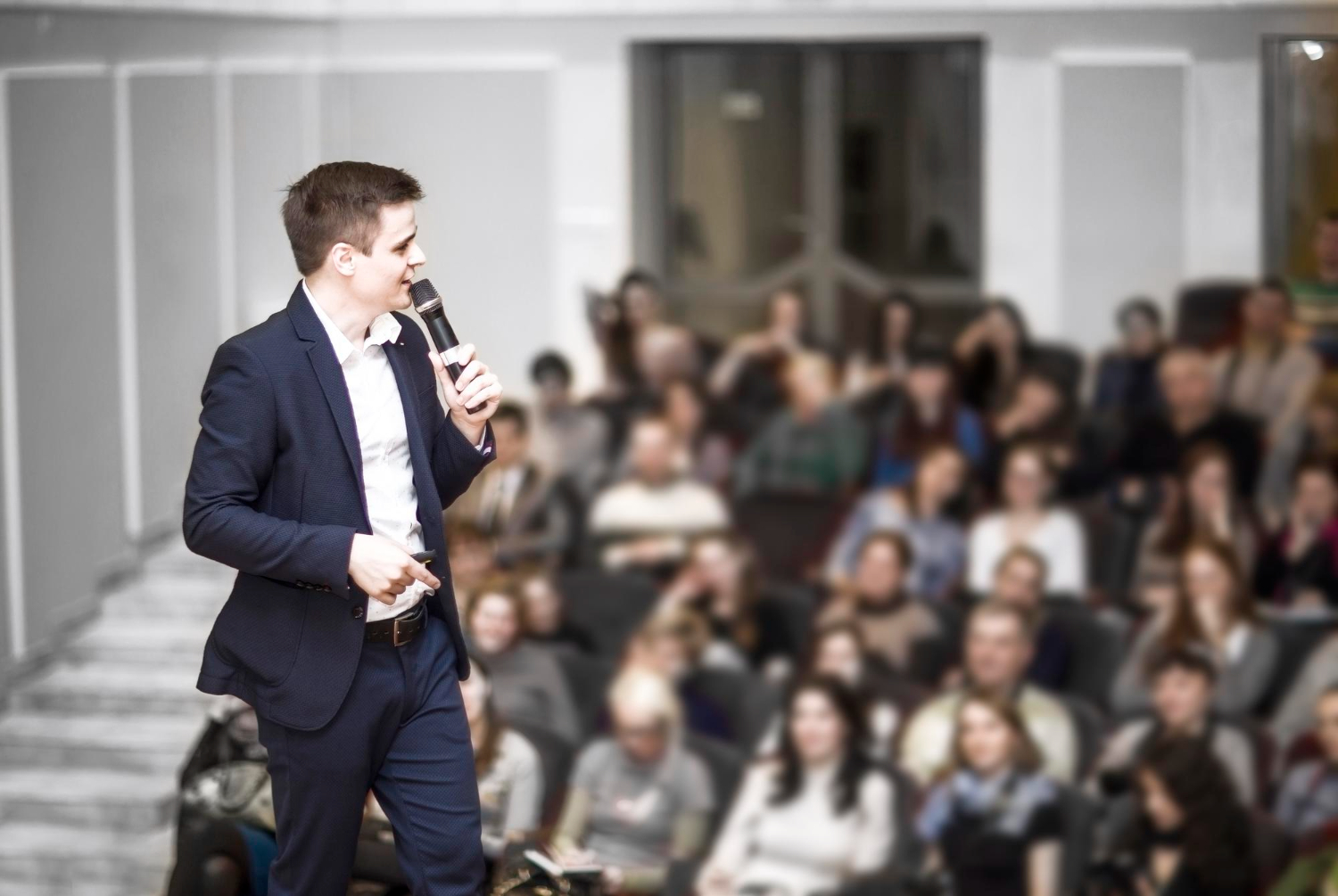
- Public Speaking and Motivational Speaking: Athletes can inspire others by sharing their experiences and lessons learned. They can become motivational speakers, like Magic Johnson, who speaks about his experience living with HIV and his successful transition into business.
Translating Athletic Skills into Professional Success
Athletes possess numerous skills that are highly valued in the professional world. Skills such as teamwork, discipline, resilience, goal-setting, and leadership can be translated into a second career. For example, an athlete's ability to perform under pressure is a valuable asset in high-stakes business environments. Their experience in working as part of a team can be beneficial in collaborative work settings.
Challenges and Opportunities
Transitioning from sports to the professional workforce is not without its challenges. Athletes may face difficulties in adapting to a different pace of life, dealing with identity loss, or lacking formal education or work experience. However, these challenges can be overcome with the right mindset, support, and resources.
On the flip side, there are many opportunities. The sports industry is vast and offers numerous roles that athletes can fill. Moreover, the qualities and skills athletes possess are in high demand in many sectors, from business to media to public service.
Conclusion
Retirement is not the end for athletes; it's a new beginning. With their unique skills and experiences, they are well-positioned to succeed in their second careers. It's all about finding the right fit and leveraging their strengths.
We hope this blog post has shed some light on the various career paths that retired athletes can consider. For more insights like these, consider checking our other services or Sign Up for our Newsletter. We provide career guidance in the form of blogs, articles, white papers, and case studies to help job seekers from all industries land their dream job. So, why wait? Take the next step in your career journey with us today.