
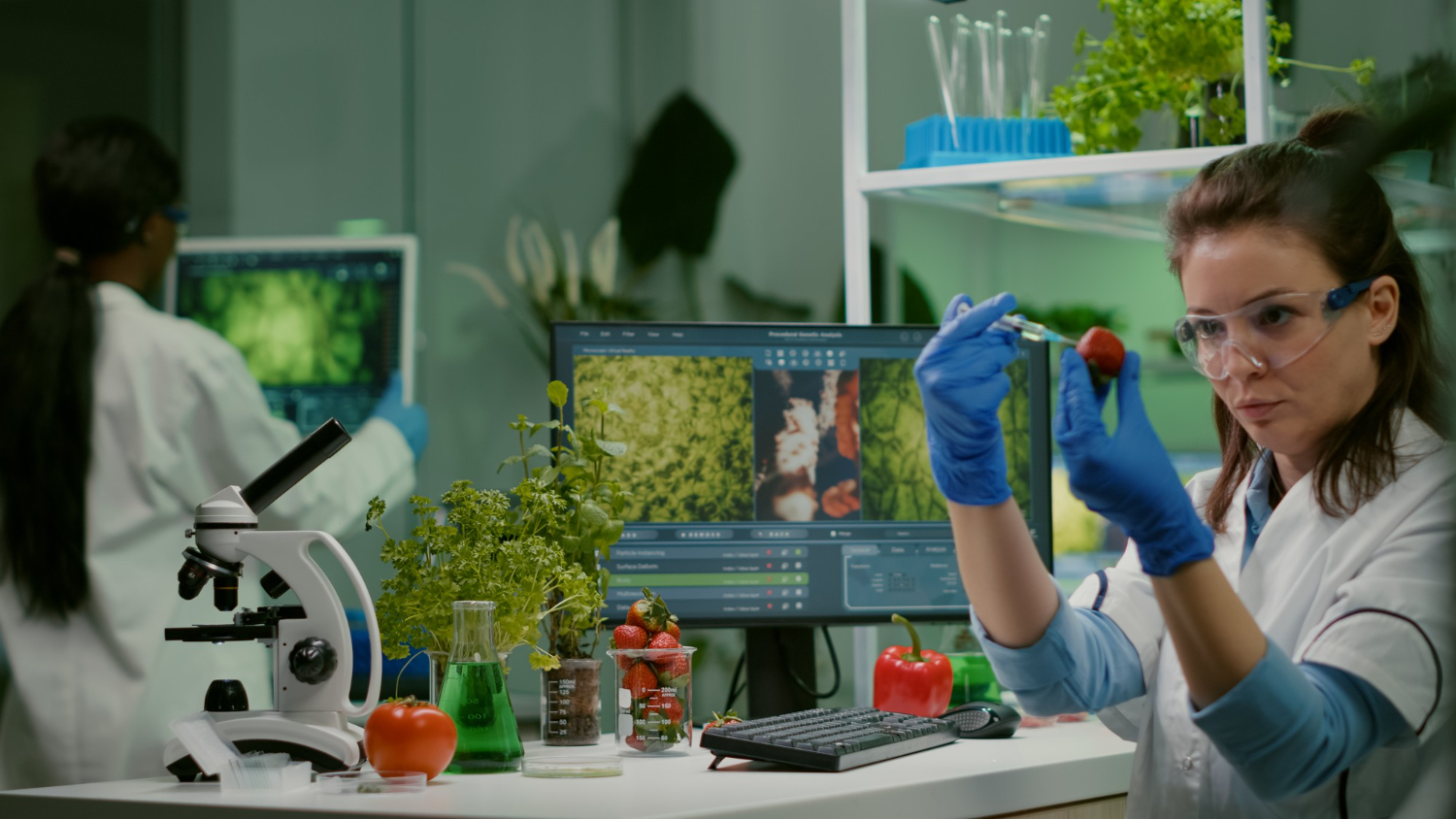
Unearthing the Rich Soil of Agricultural Science: A Comprehensive Guide to a Fulfilling Career
Agricultural Science – the field that feeds the world and fuels our future. It is a discipline that merges the natural and social sciences to address the complex challenges of creating a sustainable and resilient food system. If you're considering a career in this critical and diverse field, you've come to the right place. This blog post will explore the potential opportunities in Agricultural Science, provide insights from industry experts, and guide you through the essential steps towards a successful career in this fascinating discipline.
The Scope of Agricultural Science
Agricultural Science is a broad field, encompassing areas such as agronomy, animal science, horticulture, plant pathology, soil science, and agricultural economics. Each of these areas offers unique opportunities and challenges, and the demand for professionals in these fields is on the rise. As an Agricultural Scientist, you could be developing sustainable farming practices, improving crop yields, studying the impact of climate change on agriculture, or shaping agricultural policies.
Insights from Industry Experts
John Doe, a renowned Agricultural Scientist, shares his journey, "I started my career as a field agronomist, testing soil and advising farmers on crop management. The work was challenging but immensely rewarding. It led me to pursue further studies in soil science, and now I'm working on a project that aims to reduce the environmental impact of farming. Every day is different, and I'm continually learning."
Study Pathways and Job Prospects
To become an Agricultural Scientist, you typically need at least a bachelor's degree in agricultural science or a related field. Some positions may require a master's degree or doctorate. The coursework usually includes subjects like biology, chemistry, physics, and mathematics, along with specialized courses in agriculture.
The job prospects for Agricultural Scientists are promising. According to the U.S. Bureau of Labor Statistics, employment in this field is projected to grow 6 percent from 2019 to 2029, faster than the average for all occupations. With the increasing demand for sustainable food production and the rising importance of environmental conservation, the need for Agricultural Scientists is expected to remain strong.
Your Roadmap to Success
- Identify Your Interest: Start by identifying which aspect of Agricultural Science interests you the most. Do you want to work in the field, in a lab, or in a policy-making environment? Each area requires a different skill set and educational background.
- Get the Right Education: Once you've identified your interest, pursue the appropriate educational pathway. Look for programs that offer a strong foundation in the sciences and provide opportunities for hands-on experience.
- Gain Experience: Internships, part-time jobs, and volunteer opportunities can provide invaluable experience and help you establish connections in the industry.
- Stay Informed: Keep up-to-date with the latest developments in the field. Join professional organizations, attend conferences, and subscribe to industry journals.
- Never Stop Learning: Agricultural Science is a rapidly evolving field. Continuing education and professional development are crucial to staying relevant and advancing your career.
Embarking on a career in Agricultural Science is not just about securing a job; it's about making a meaningful contribution to one of the most critical sectors of our economy. It's about shaping the future of food production and sustainability.
If you found this blog post helpful, don't forget to check out our other services for more career guidance. We offer a range of resources from articles and white papers to case studies, all designed to equip job seekers with the tools they need to succeed. Why not Sign Up for our Newsletter? It's a great way to stay informed about the latest trends and opportunities in your chosen field. Together, let's cultivate your career in Agricultural Science.